
The central idea
A meter gives a number, while observation builds judgment. Sunny 16 begins with an exposure relationship and then asks the photographer to interpret weather, subject and intention.
What the evidence shows
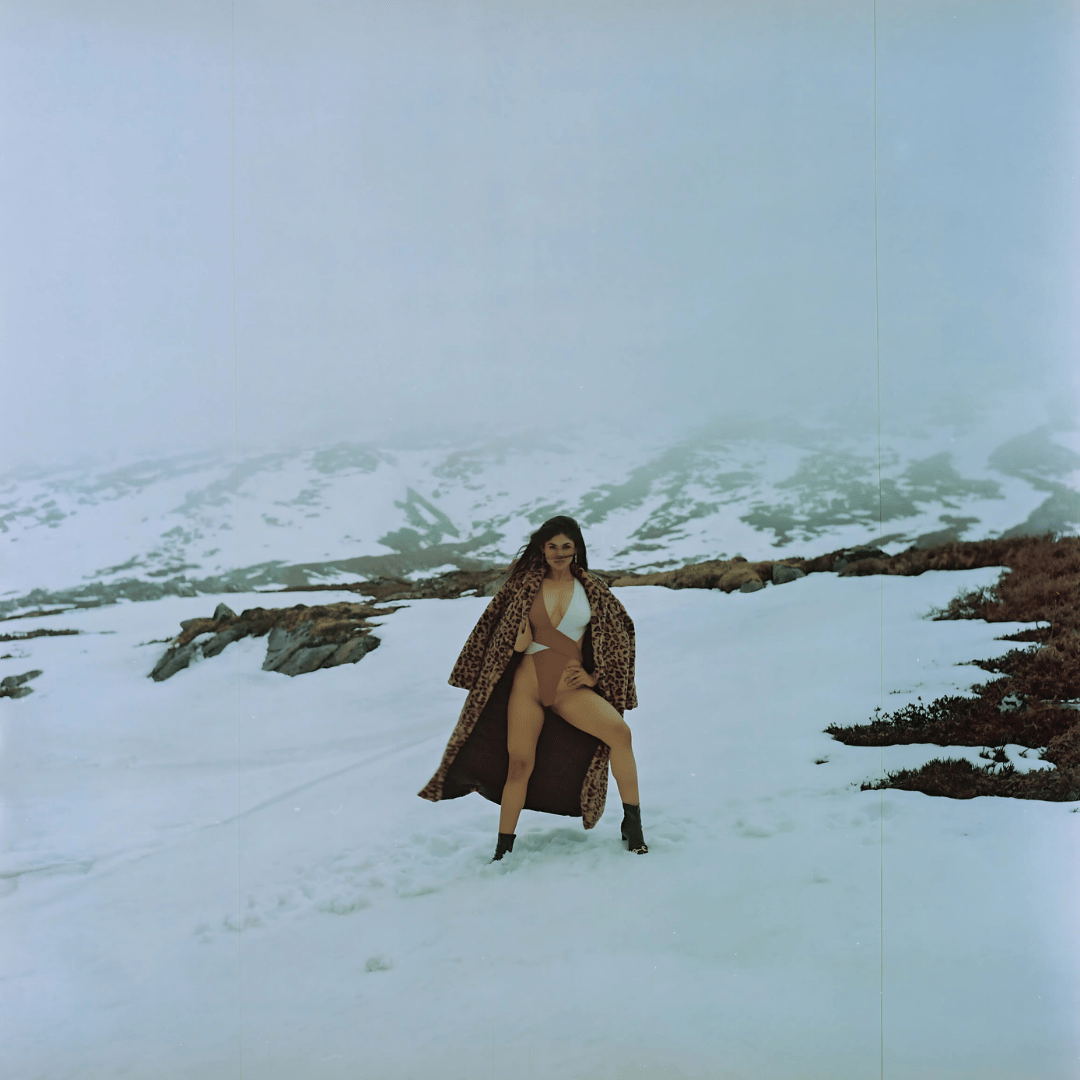
The Sikkim project relied on the method across snow, cloud and natural interiors. Doesn’t Matter #1 was made at f/5.6 under overcast snowfall, while other scenes used different apertures as conditions changed.
Analogue process is a chain of exposure, latent image, development, scanning or printing and physical care. Every link can change interpretation, so accurate language matters more than romantic claims.
What collectors should notice
Exposure notes can strengthen a process archive when they explain a visible choice. They should support the work rather than imply that one technical formula guarantees artistic quality.
- Which camera and film were used?
- Who developed or printed the work?
- Is the stated process technically accurate?
The ZINE position
ZINE records the process that was actually used and distinguishes an optical print, a hybrid print, an instant original and a digital reference.
The aim is not to turn process into mythology. It is to keep the object, its limits and the human moment behind it understandable for the next collector.