
The central idea
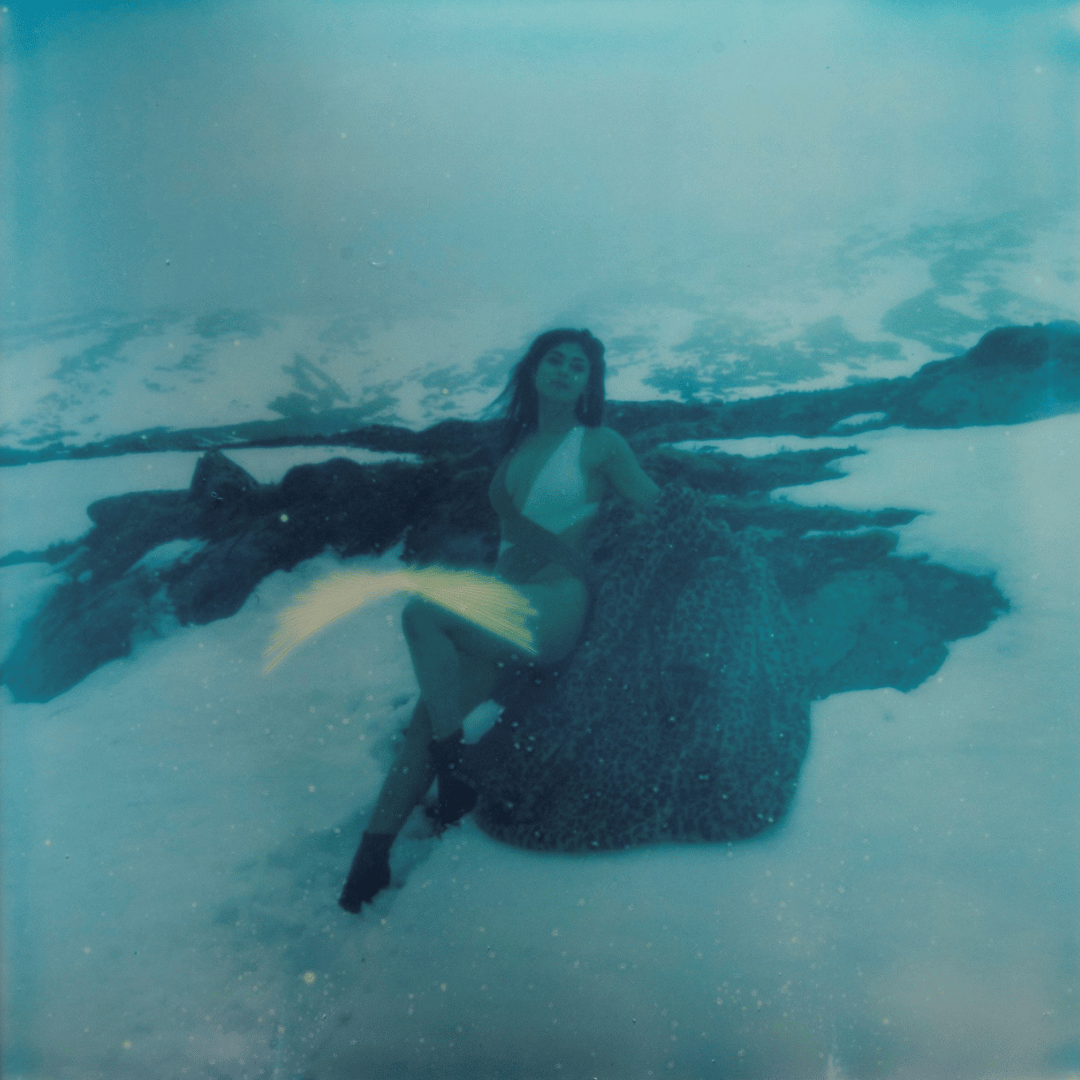
Instant film contains the chemistry needed to expose, develop and fix the image inside each sheet. When the temperature falls far below its preferred range, that chemistry no longer spreads or reacts in a predictable way.
What the evidence shows
At about -9°C, the film produced muted contrast and strong cool shifts. The snow, overcast sky and high-altitude conditions added further uncertainty while the sheet developed after ejection through the camera rollers.
Analogue process is a chain of exposure, latent image, development, scanning or printing and physical care. Every link can change interpretation, so accurate language matters more than romantic claims.
What collectors should notice
Process anomalies should be documented without romanticising damage. The record must distinguish an original creation characteristic from later deterioration, poor storage or a condition problem.
- Which camera and film were used?
- Who developed or printed the work?
- Is the stated process technically accurate?
The ZINE position
ZINE records the process that was actually used and distinguishes an optical print, a hybrid print, an instant original and a digital reference.
The aim is not to turn process into mythology. It is to keep the object, its limits and the human moment behind it understandable for the next collector.