The central idea
Film chemistry is time-sensitive and temperature-sensitive. In severe cold, reagent viscosity, spread and reaction speed change, which can flatten tones, shift colour or leave incomplete development.
What the evidence shows
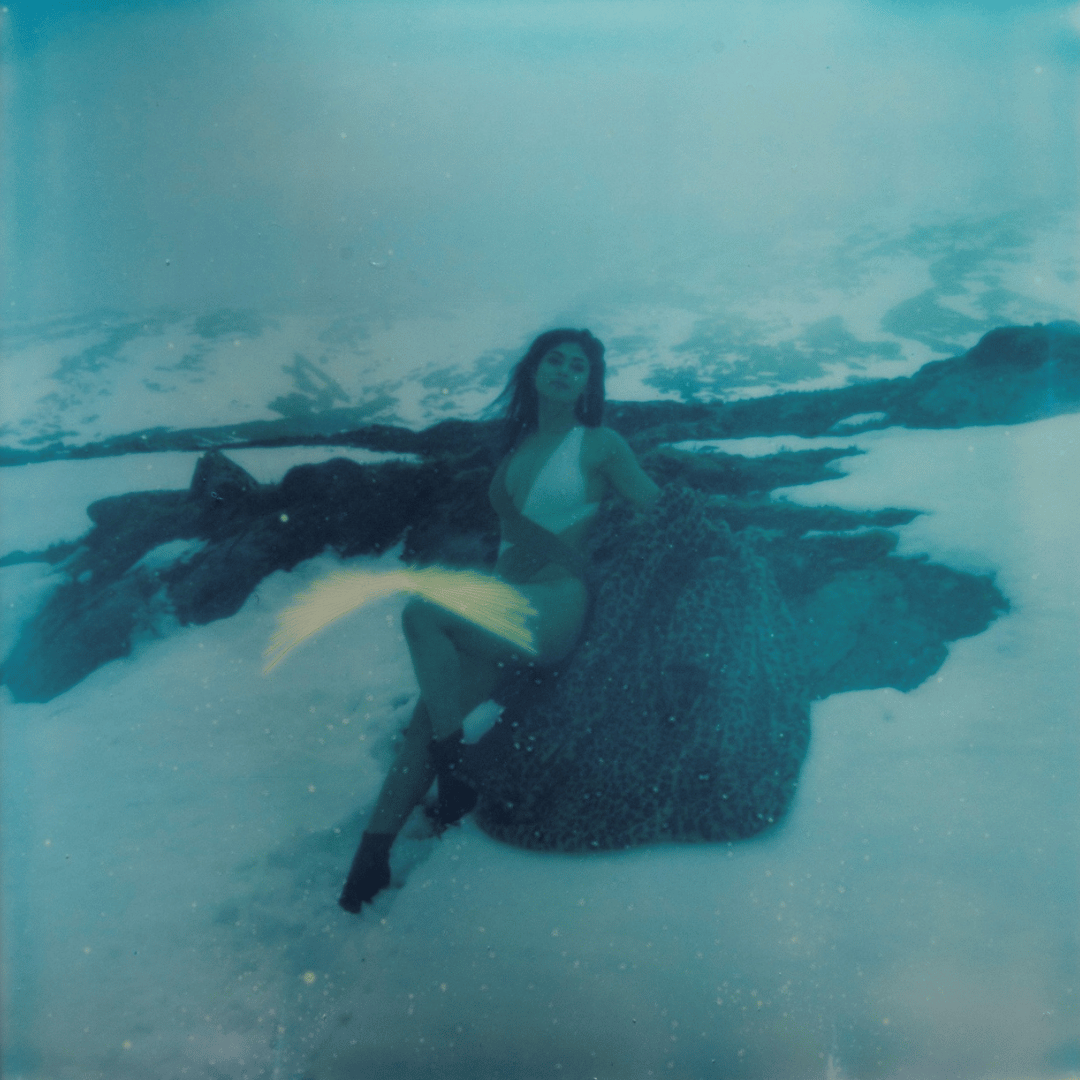
Polaroids #03 was exposed at Zero Point during wind, snow and low oxygen. The cool cast is therefore not just aesthetic information; it is linked to a recorded event in the physical creation of the object.
Analogue process is a chain of exposure, latent image, development, scanning or printing and physical care. Every link can change interpretation, so accurate language matters more than romantic claims.
What collectors should notice
Environmental history matters for both interpretation and care. A collector should preserve the creation record separately from the condition report so an intentional or original anomaly is not mistaken for later harm.
- Which camera and film were used?
- Who developed or printed the work?
- Is the stated process technically accurate?
The ZINE position
ZINE records the process that was actually used and distinguishes an optical print, a hybrid print, an instant original and a digital reference.
The aim is not to turn process into mythology. It is to keep the object, its limits and the human moment behind it understandable for the next collector.