The central idea
Photography is collaborative even when authorship belongs to one artist. The developer protects exposure, chemistry and consistency at the point where an invisible image becomes stable.
What the evidence shows
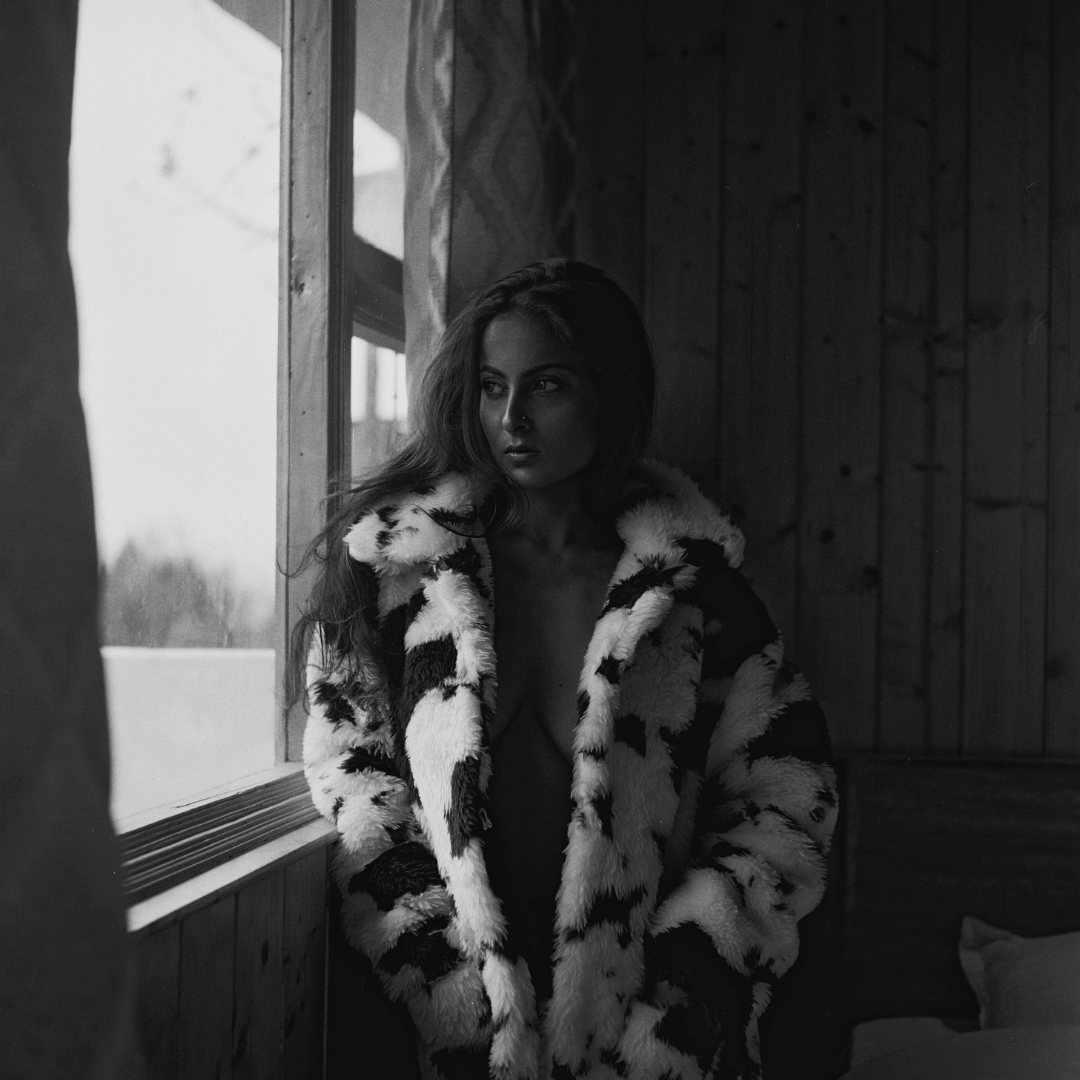
Sarbojay Paul developed and scanned the 120 and 35mm film for the project using a Fujifilm Frontier SP3000. He also helped Sourish acquire the Yashica Mat 124G that became central to the medium-format work.
Analogue process is a chain of exposure, latent image, development, scanning or printing and physical care. Every link can change interpretation, so accurate language matters more than romantic claims.
What collectors should notice
Record the lab, developer, scanner and print maker whenever known. These details do not reduce the artist's authorship; they preserve the technical chain required to understand and reproduce an edition faithfully.
- Which camera and film were used?
- Who developed or printed the work?
- Is the stated process technically accurate?
The ZINE position
ZINE records the process that was actually used and distinguishes an optical print, a hybrid print, an instant original and a digital reference.
The aim is not to turn process into mythology. It is to keep the object, its limits and the human moment behind it understandable for the next collector.